
MEET THE CANDIDATES
Healthcare experience from two complementary perspectives
Brian brings eight years of District governance and the perspective of a practicing physician. Kendra brings more than four decades of nursing, education, quality improvement, and community-health leadership.
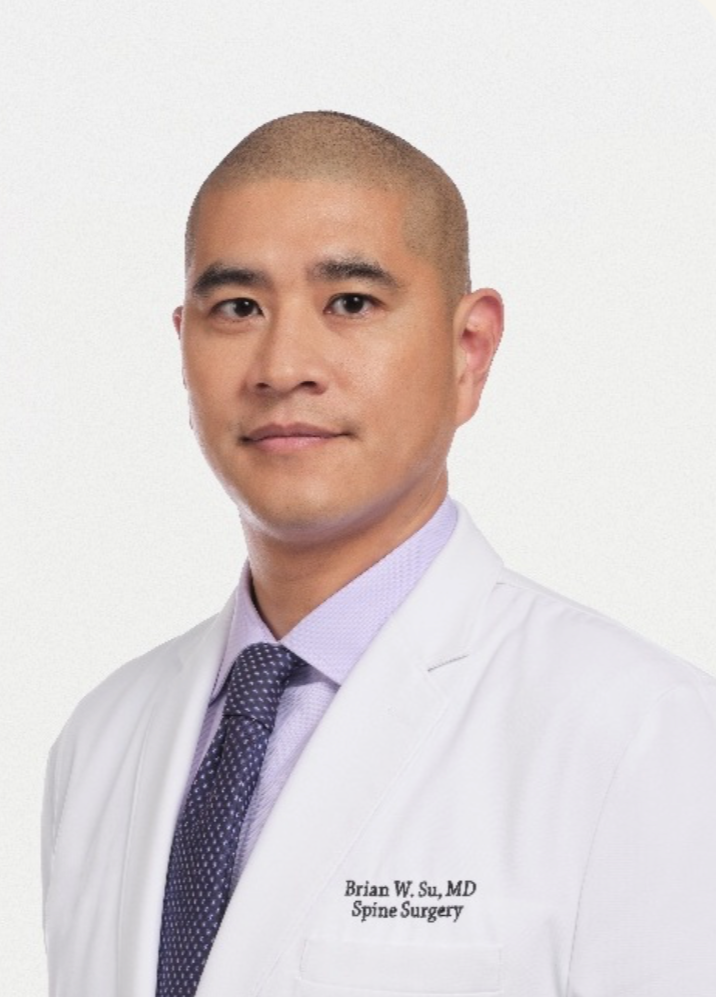
DIVISION 3 · RE-ELECTION
Dr. Brian Su, MD
Spine Surgeon · Vice Chair, Marin Healthcare District Board
For nearly two decades, Brian has cared for Marin patients as a spine surgeon. During eight years on the Marin Healthcare District Board, he has focused on hospital modernization, physician recruitment, patient safety, financial oversight, and protecting the long-term strength of local healthcare.
8 years on District Board
Board Chair, 2022-2024
Chair, Finance & Audit Committee
Chair, COVID-19 Task Force, 2020-2022
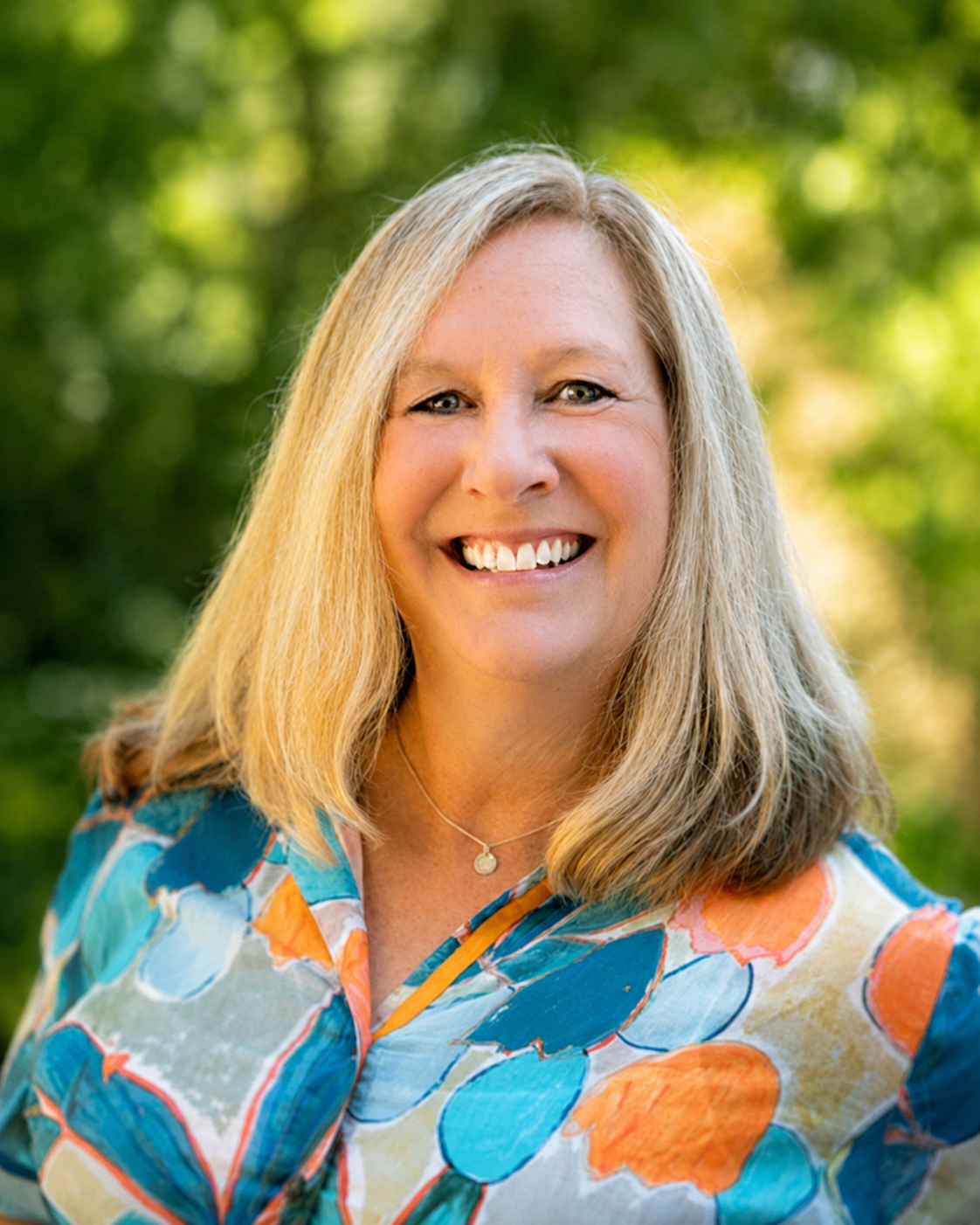
DIVISION 1 · CANDIDATE
Dr. Kendra Hoepper, DNP,
APRN, PNP-BC
Doctor of Nursing Practice · Pediatric Nurse Practitioner, Nursing Educator
Kendra has more than 40 years of nursing experience and serves as Chair of the Nursing Department and BSN Program Director at Dominican University of California. Her career spans pediatric care, hospital nursing, oncology education, patient safety, quality improvement, healthcare education, and advocacy for patients and families.
40+ years in Nursing
Chair, Nursing Department of Dominican
BSN Program Director
Community CPR and HEARTSAFE leadership
Meet Brian W. Su, MD
Dr. Brian Su is a Board-Certified Spine Surgeon and co-medical director of spine surgery at MarinHealth Medical Center. He is also a former Surgeon-in-Chief at California Orthopedics and Spine. Dr. Su received his undergraduate education from Duke University’s School of Engineering and his medical degree from Columbia University’s College of Physicians and Surgeons. Dr. Su completed an orthopedic surgery residency at Columbia University’s NY Presbyterian Hospital, where he served as Administrative Chief Resident and was one of the stadium physicians for the New York Yankees.
Dr. Su then completed an orthopedic and neurosurgical spine surgery fellowship at the Rothman Institute at Thomas Jefferson University Hospital, widely regarded as one of the most sought-after and prestigious spine fellowships in the country. His training there included complex surgery of the spine, and during that time, he developed a particular interest in treating disorders of the cervical spine.
Dr. Su has an interest in research and has authored over 50 manuscripts and book chapters, and presented over 120 podium and poster presentations. He is also the author of seven financial grants and the recipient of 40 academic honors and awards. Dr. Su is one of nine international editors of a 2-volume textbook on spine surgery. He is a founding member of the nation’s first undergraduate research journal and was one of the youngest scientists to be a principal investigator on a grant from the National Science Foundation. Dr. Su has peer-reviewed for SPINE, Clinical Spine Surgery, and The Spine Journal. Dr. Su has served on program committees for the Cervical Spine Research Society, North American Spine Society, and California Orthopedic Association. He is currently co-Chair of the membership committee for the Cervical Spine Research Society. He remains active in teaching, clinical research, and device innovation, and collects patient-reported outcomes data for all surgical patients. He participates in question writing for the written board examination and is an oral board examiner for the American Board of Orthopedic Surgery.
Dr. Su believes that state-of-the-art care at academic centers can be delivered in a personalized private practice setting. He educates patients so that they fully understand their disease and treatment options, including the evidence-based medicine behind it. In 2020, he launched The Spine Guy, a patient-education YouTube channel focused on spinal care, which has over 4.5 million views. His emphasis is always toward nonoperative treatment, reserving surgery as the last option. When surgery is necessary, Dr. Su seeks the solution that leaves the most minimally invasive surgical footprint. He has performed over 4,000 spine surgeries and has had the privilege of operating on several physicians, surgeons, and their family members.
Dr. Su was elected by his peers into Castle Connolly’s Top Doctors, San Francisco Magazine Top Doctors, [415] Top Doctors for Spine Surgery, Pacific Sun’s Best Orthopedic Surgeon, and a Sonoma Top Doctor. Vitals.com also awarded him the Patient’s Choice and Compassionate Doctor Award. Dr. Su is the past chairman of the governing body of Marin Specialty Surgery Center. In 2018 he was elected by the residents of Marin County as a Director of the Marin Healthcare District Board of Directors.
Q&A with Brian Su, MD
Tell Us About Yourself
I grew up in Schenectady, New York. My parents were immigrants from Taiwan, and their story shaped a lot of who I am. My dad came to the United States in 1963 with very little money and limited English. He worked while going to school, eventually earned a PhD from Princeton and became a research scientist. My mom also went back to school and became a teacher. Education, hard work and giving back were just part of how I was raised.
I actually started out as an engineer. I studied biomedical and electrical engineering at Duke before deciding to become a physician.
Outside of medicine, my biggest passion has probably always been cooking. I was the kid who wanted to know where ingredients came from and how to break down a fish or a crab. When I was a resident in New York, I used to cook private tasting dinners for friends. I still spend a lot of my free time at farmers markets and fish markets, and many of my closest friends are either surgeons or chefs.
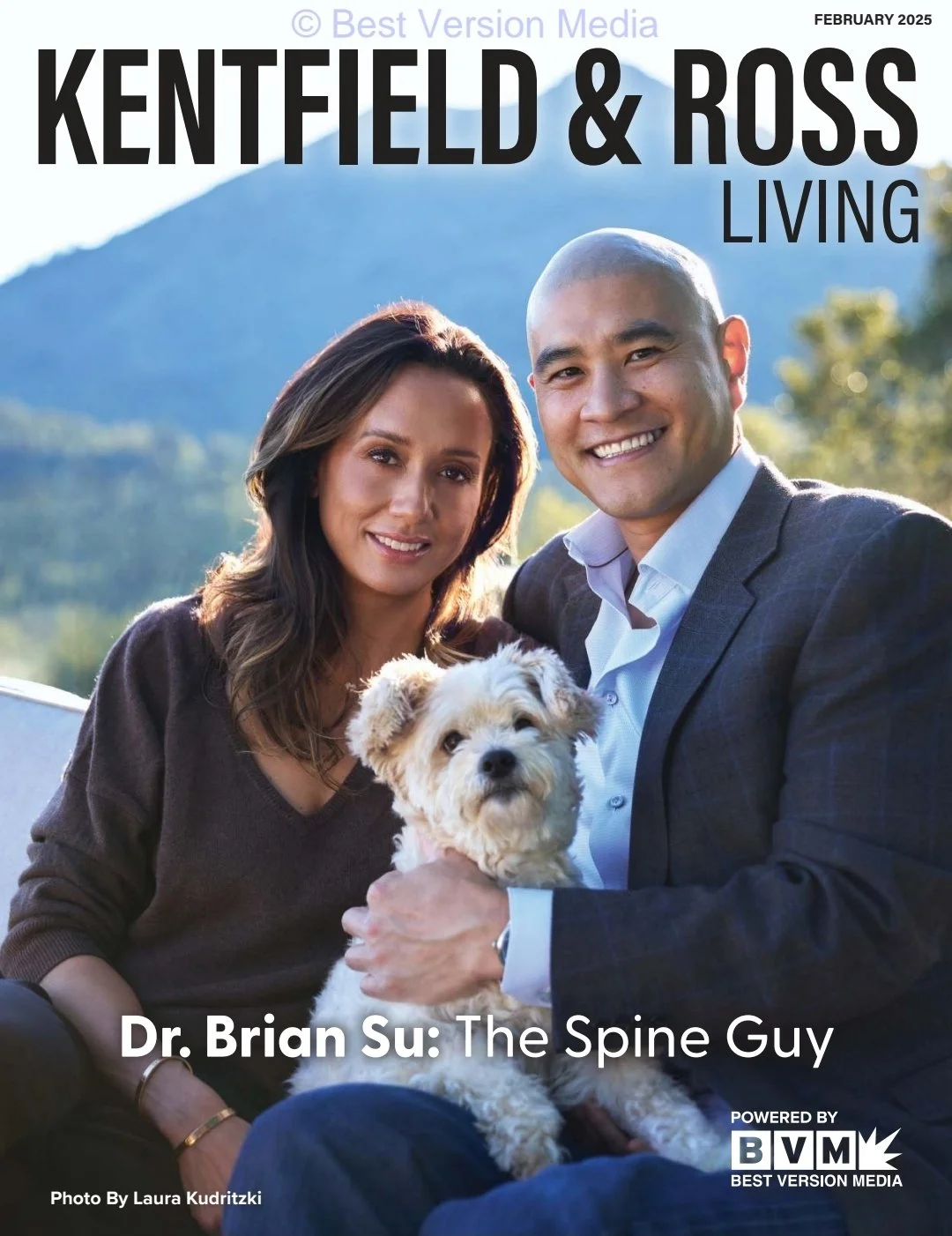
My wife Thomasina and I live here in Marin with our rescue dog, Uni. For all the professional titles I've accumulated, I really think of myself as a doctor who is fortunate enough to take care of people in the same community where I live.
What brought you to Marin, and what keeps you here?
After my spine fellowship, I was looking for my first job. My wife is from Vancouver, so we wanted to be on the West Coast.
I met a spine surgeon here in Marin, Bob Byers, and we immediately connected because we shared a conservative philosophy about spine surgery. I had trained at large academic medical centers, but the idea of providing that same level of sophisticated care in a smaller community really appealed to me.
I moved here in 2009 and never left.
What keeps me here is the people. I see my patients at the grocery store, restaurants and farmers markets. People have my cell phone number. I get to see patients years after surgery living their lives and doing well.
I trained in some of the biggest medical centers in the country, but in Marin I get to practice highly specialized medicine while still feeling like a small-town doctor. That's pretty special.
WHY HEALTHCARE?
Why did you choose a career in healthcare?
I didn't grow up knowing I wanted to be a doctor. I went to Duke to become an engineer.
Then I took an anatomy class where we dissected cadavers and studied how muscles and nerves worked. Something clicked. I loved the combination of science, anatomy and working with my hands, but I also realized I wanted what I was doing to have a direct impact on another person.
That ultimately led me to Columbia for medical school and orthopedic surgery.
I chose spine surgery because I was attracted to the complexity. The anatomy is delicate, the diagnosis can be difficult and the operations are technically demanding. The stakes are high, but so is the potential reward for the patient.
What's one experience from your healthcare career that has stayed with you?
September 11th probably shaped me more as a physician than anything else.
I was a medical student at Columbia in Manhattan. On September 12th, several of us went downtown and helped establish a makeshift medical unit because we thought we would be treating survivors.
Tragically, the survivors never came.
I subsequently volunteered in the morgue helping process remains so that people could eventually be identified and returned to their families.
What stayed with me was watching physicians, nurses, first responders and ordinary people come together without worrying about titles, politics or who received credit. Your community needed you, so you showed up.
That experience fundamentally shaped what being a physician means to me.
Years later, when COVID arrived and I chaired the Healthcare District's COVID Task Force, I felt some of that same sense of responsibility again.
What are you most proud of accomplishing through your healthcare career?
The thing I'm proudest of isn't a title or an award. It's the individual patients I've been able to help.
Spine surgery gives you an extraordinary opportunity to change someone's life. Sometimes a person comes to you unable to walk or in excruciating nerve pain, and you can actually fix the problem.
I've had patients come back years later and thank me for giving them their life back or keeping them out of a wheelchair. Nothing professionally means more to me than that.
I'm also proud of finding ways to educate people beyond my own practice. During COVID, I started making educational videos for my patients. That became The Spine Guy and eventually allowed me to reach people around the world with free information about their conditions.
WHY THE MARIN HEALTHCARE DISTRICT?
Why did you decide to serve on the Marin Healthcare District Board?
It was really an extension of being a physician in this community.
Before I joined the District Board, I spent eight years on the MarinHealth Foundation Board. That exposed me to another side of healthcare. I saw how much a community hospital depends on physicians and nurses, but also on volunteers, philanthropy, good governance and people who simply care about their community.
Eventually I felt that I could contribute something different to the Healthcare District Board because I was actually practicing medicine here every day.
I understood what patients were experiencing. I understood what doctors and nurses needed. And I understood the importance of having a strong local hospital.
I didn't get involved because I wanted to be in politics. I got involved because healthcare was already my life's work and this was another way I could serve the same community.
What are you most proud of accomplishing through your community service?
I'm proud of the overall transformation I've watched occur at MarinHealth and of the role I've been able to play during that period.
We completed a beautiful new hospital following Measure F. We've strengthened the organization financially and clinically. We've worked to recruit excellent physicians and expand services so more people can receive sophisticated care without leaving Marin.
I'm particularly proud of our work during COVID. I chaired the Healthcare District's COVID Task Force and worked with Dr. Matt Willis and other community leaders during an incredibly uncertain period.
But community health also happens outside the hospital. The District has supported community health education, gun-safety efforts and e-bike safety legislation in response to the serious injuries occurring in our community.
That's what I think a Healthcare District should do: protect the health of its community in the broadest sense.
What's one difficult challenge you've faced, and what did you learn?
COVID was probably the clearest example because we had to make consequential decisions while the information itself was constantly changing.
It reinforced something I learned in medicine: good leadership doesn't mean pretending you have every answer.
You find the best people. You listen to people who know more than you do. You examine the evidence. You make the best decision you can with the information available. And if the evidence changes, you have to be willing to change your mind.
That's how I operate as a surgeon, and it's how I've tried to operate as a Board member.
What's one thing about Marin's healthcare system residents should know?
I don't think people fully appreciate how unusual it is for a community our size to have access to the level of healthcare we have here.
MarinHealth Medical Center is owned by the Marin Healthcare District. The elected District Board doesn't manage the hospital's day-to-day operations, but we have an important oversight responsibility for major strategic and financial decisions.
I've watched healthcare in Marin improve tremendously since I arrived in 2009.
My goal has always been simple: if someone in Marin develops a serious medical problem, they shouldn't automatically feel that they have to cross a bridge to receive outstanding care. We should be able to provide that level of care here at home.
WHY THE BOARD?
Why did you run eight years ago?
Eight years ago, I believed the Healthcare District Board would benefit from having an actively practicing physician who understood healthcare from the inside.
I was seeing Marin patients every day. I knew the physicians and nurses. I understood what it took to deliver healthcare and where the system could work better.
I also believed very strongly that Marin needed an independent, financially strong healthcare system capable of attracting excellent doctors and providing outstanding care locally.
I asked voters to let me bring that perspective to the Board.
Why are you running again?
Because the work isn't finished, and I think the next four years may be even more consequential than the last eight.
Healthcare is changing incredibly quickly. Hospitals face tremendous financial pressures. Physician practices are consolidating. Recruiting outstanding doctors and nurses is increasingly competitive. Technology is advancing rapidly and becoming more expensive.
At the same time, MarinHealth needs to continue investing in its facilities and services while remaining financially responsible.
I've now spent eight years learning this organization from virtually every angle—as a physician, District Director, Board Chair, committee chair and community advocate.
Experience matters when you're making decisions of this magnitude. I believe I have more to contribute, and I'd like the opportunity to continue doing it.
WHY EXPERIENCE MATTERS
What does your professional experience uniquely bring to the Board?
I bring three perspectives at the same time.
I'm a practicing physician taking care of Marin patients every week.
I'm a healthcare leader who understands how hospitals, physician practices and surgery centers actually function.
And I have eight years of experience governing the Marin Healthcare District.
That combination matters.
When we're discussing physician recruitment, quality, a major capital investment or the finances of the healthcare system, I understand what something looks like on a spreadsheet—but I also understand what that decision means in an operating room, a doctor's office or at a patient's bedside.
What concerns you most about the future of healthcare in Marin?
My biggest concern is preserving access to outstanding local healthcare as delivering that care becomes increasingly expensive and complicated.
Hospitals everywhere are under financial pressure. Independent physician practices are disappearing. Recruiting physicians and nurses is increasingly competitive. New technology can dramatically improve care, but it can also be extraordinarily expensive.
We need to make decisions today that ensure MarinHealth remains financially strong enough to provide excellent care ten and twenty years from now.
I don't want Marin to become a community where you have to leave the county every time you need sophisticated medical care.
BRIAN’S VISION
What gives you the most hope?
The people.
I've seen extraordinary generosity from people who support our hospital. I've watched exceptional physicians and nurses choose to build their careers here. I've watched people volunteer enormous amounts of their time simply because they care about Marin.
And I've watched Marin's healthcare system become dramatically stronger since I arrived.
That tells me what's possible when you combine excellent clinicians, responsible leadership and an engaged community.
What do you hope to accomplish over the next four years?
I want MarinHealth to remain financially strong and independent, continue recruiting and retaining exceptional physicians and nurses, and make smart investments in the facilities, technology and services that our community will need in the future.
I also want the Healthcare District to continue looking beyond the walls of the hospital.
COVID, community education, injury prevention and our work on e-bike safety demonstrate that the District can play an important role in improving the health of the entire community.
Four years from now, my measure of success would be very simple: Marin residents should have access to even better healthcare, closer to home, than they do today.
COMMUNITY
If you could sit down with every Marin voter for five minutes, what would you want them to know about you?
I'd want them to know that this has never really been about politics for me.
I'm a doctor here. I live here. My patients live here. The physicians and nurses I work beside are my neighbors and friends.
I see people I've operated on at the grocery store or farmers market. Sometimes they'll stop me and tell me what they're doing now—walking, traveling, playing with their grandchildren. Those encounters are constant reminders that healthcare decisions aren't abstract. They affect people I know.
For eight years, I've tried to bring that same sense of responsibility to the Healthcare District Board.
So I would ask voters to judge me on those eight years. Is MarinHealth stronger than it was eight years ago? Have I done the work? Have I been accessible? Have I used my experience as a physician to make thoughtful decisions? And have I put the health of this community first?
If people believe the answer to those questions is yes, I'd be honored to have their support for another four years.